
Shop Supplements
Every Aaraam product supports long-term wellness — driven by research and time-tested traditions, methodically sourced, third-party tested, 100% pure, and made to be part of your daily rhythm.
That’s what you deserve.
And how products should be made.
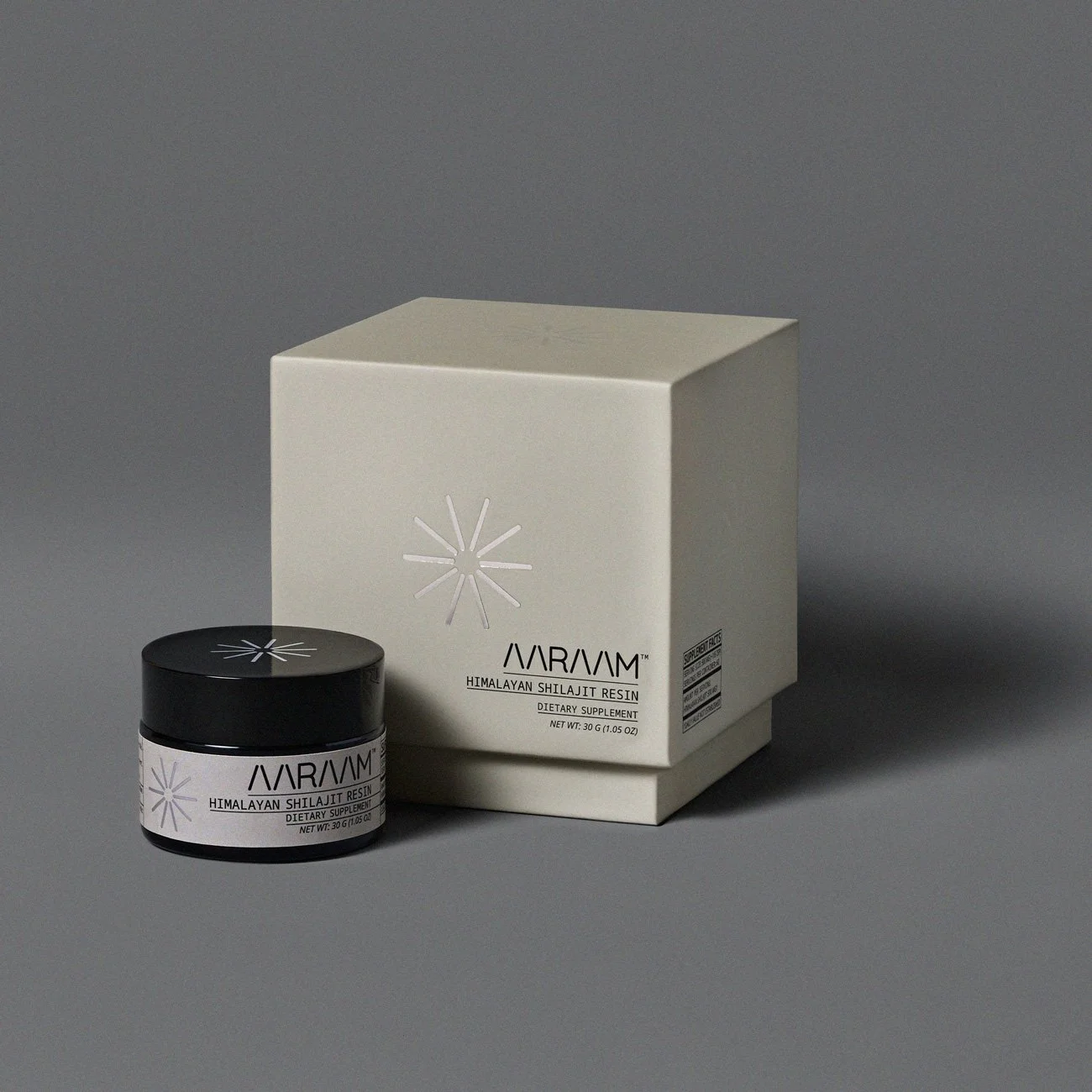



Coming Soon
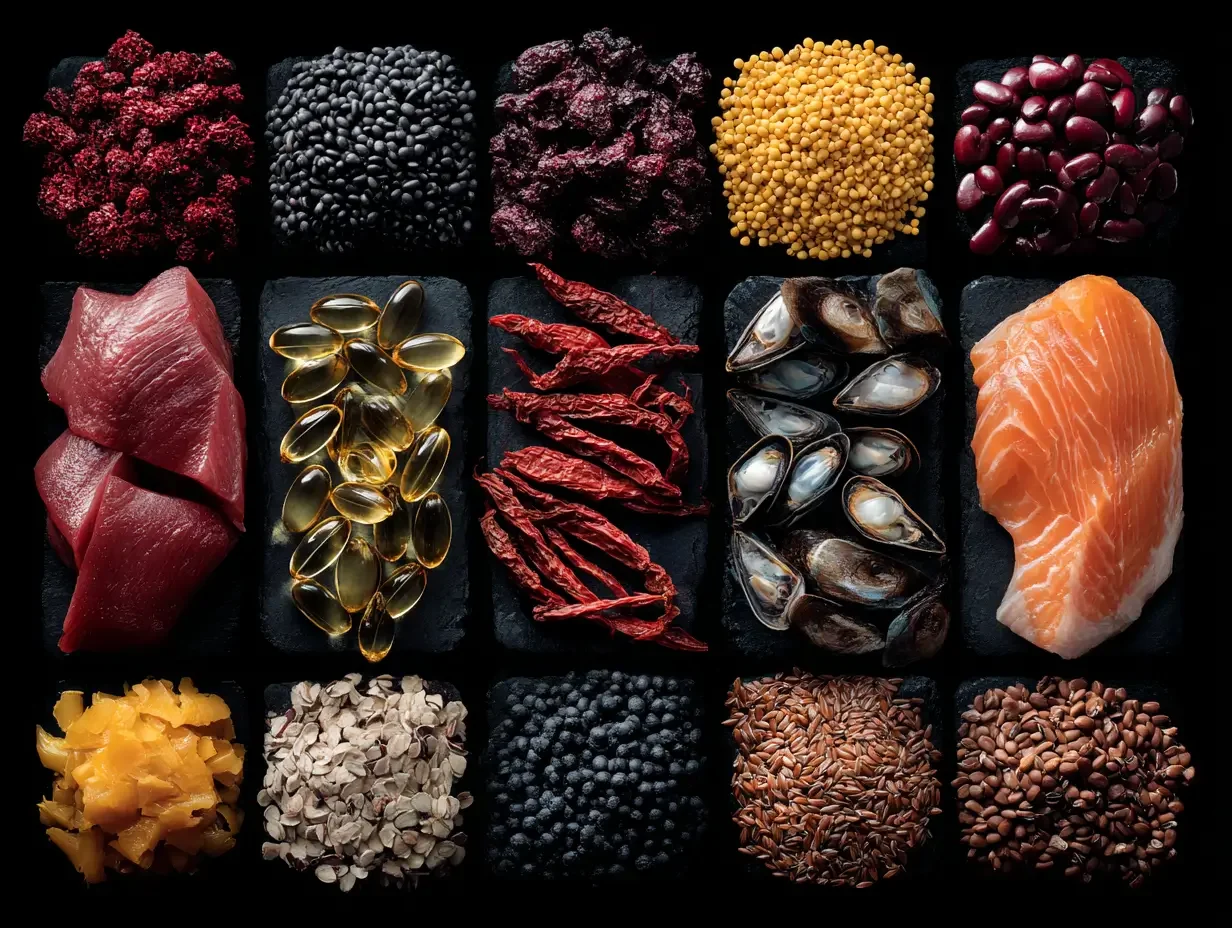
CoQ10 (Coenzyme Q10)
A naturally occurring biochemical compound the body produces and uses inside mitochondria, where ATP is generated. It is found in foods such as organ meats, oily fish, and whole grains.
Studied for its direct involvement in ATP production and cellular energy generation, particularly in tissues with high energy demand.
Like the spark plugs inside an engine that make energy production possible.
-
CoQ10 (Coenzyme Q10) is present in every cell of the body and is an essential component of the mitochondrial electron transport chain, the process responsible for producing ATP from nutrients.
Within this system, CoQ10 functions as an electron carrier, allowing energy transfer between complexes required for ATP synthesis. It also participates in antioxidant activity within cell membranes, where oxidative byproducts of normal metabolism are generated.
CoQ10 levels are known to vary across tissues and to change over time, which is why it is widely studied in research related to mitochondrial function, cellular energy metabolism, and age-associated changes in energy production.
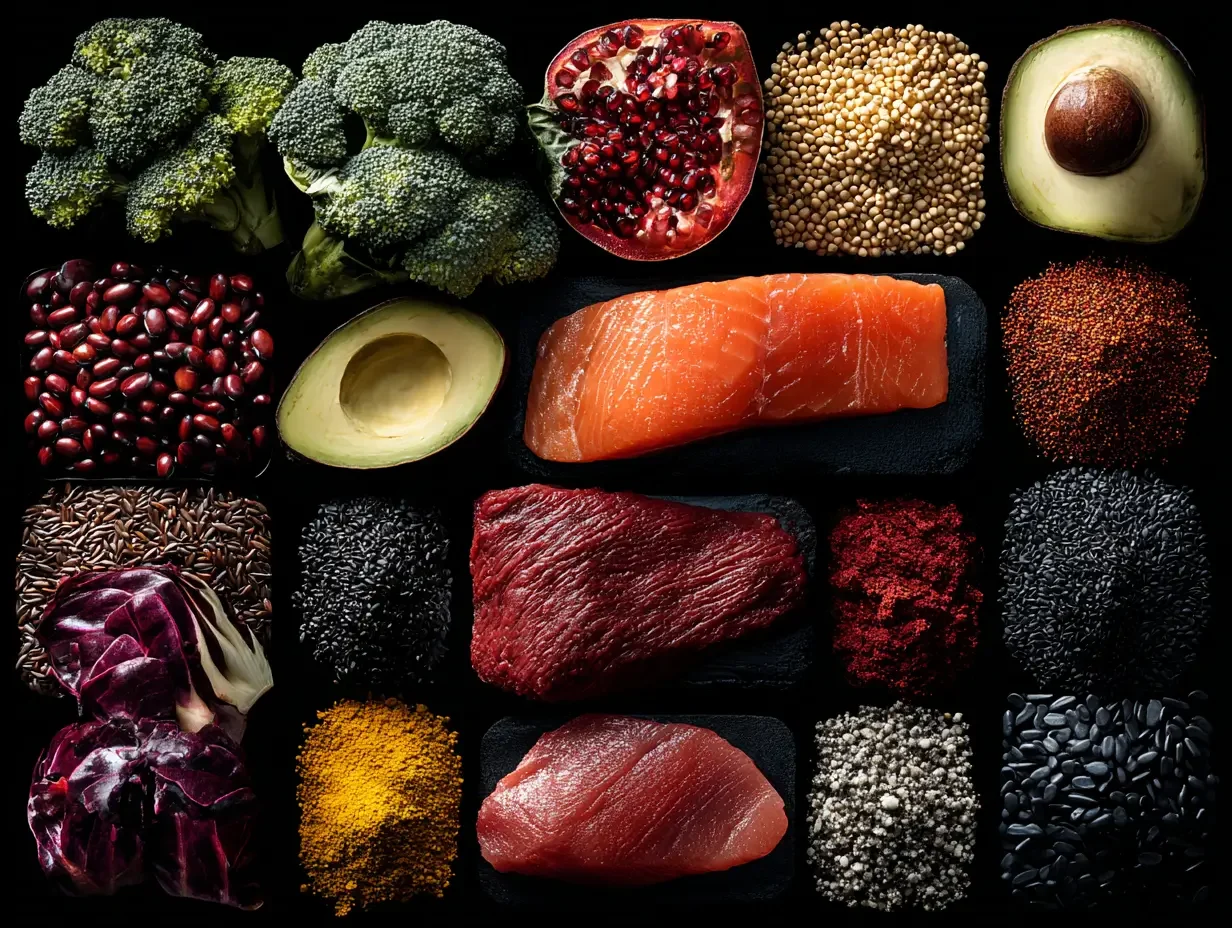
NMN (Nicotinamide Mononucleotide)
A naturally occurring precursor compound the body uses in essential cellular processes, including energy metabolism and cellular maintenance. It is found in the body and in small amounts in foods such as broccoli, avocado, tomatoes, cabbage, and raw beef.
Studied for its function as a precursor to NAD⁺, a molecule required for ATP production, energy metabolism, and cellular maintenance.
Like refilling a shared resource many systems depend on.
-
NMN (nicotinamide mononucleotide) is derived from vitamin B3 (niacin) and is produced during normal cellular metabolism.
It serves as a direct precursor to NAD⁺, a coenzyme involved in hundreds of enzymatic reactions, including those related to mitochondrial energy production, DNA repair, and cellular signaling.
Research shows that NAD⁺ availability changes over time, which has led to sustained scientific interest in NMN as a way to better understand how cells regulate energy balance and maintain normal metabolic function.
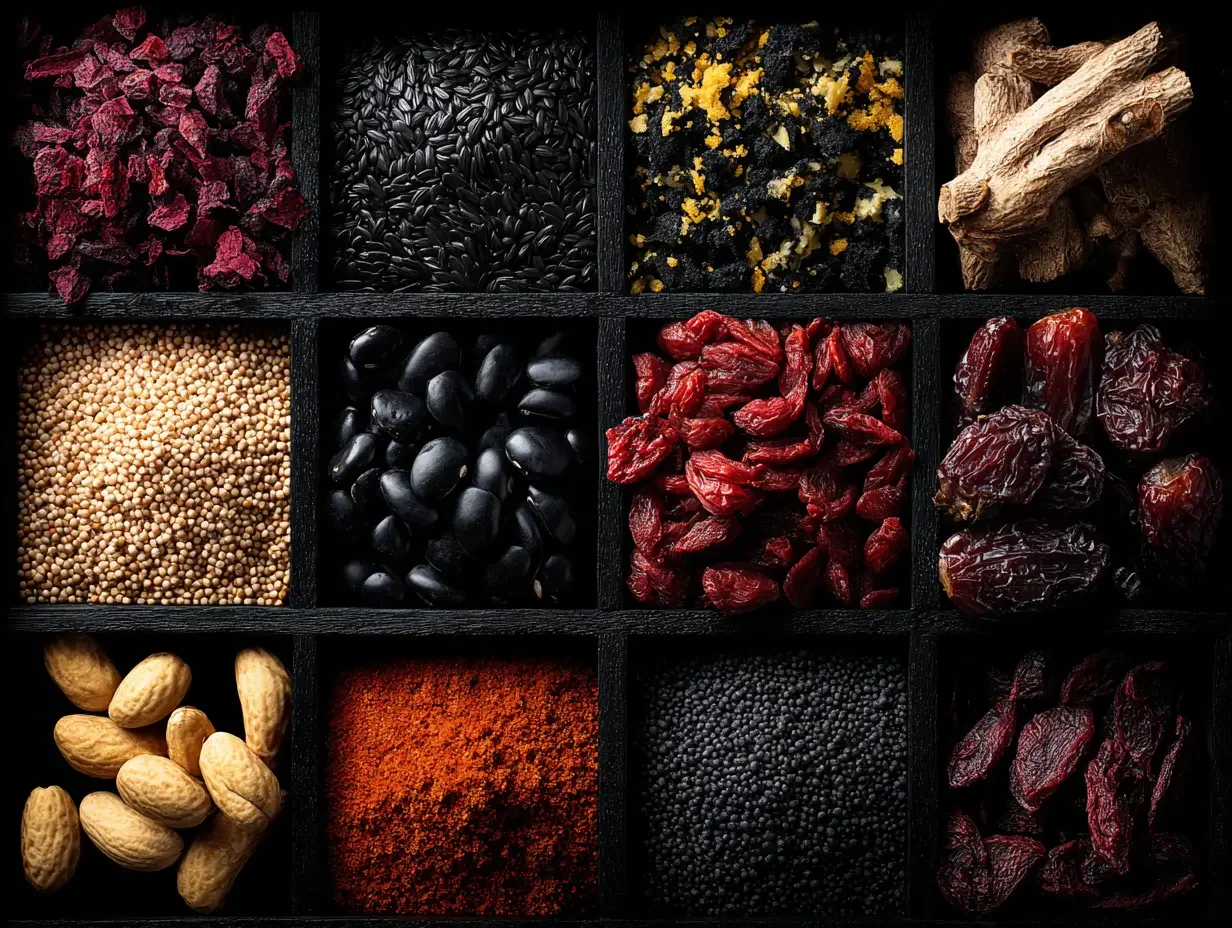
Trans-Resveratrol
A naturally occurring plant polyphenol found in red grape skins, berries, peanuts, and Japanese knotweed root.
Studied for its influence on cellular signaling pathways related to energy regulation and stress response.
Like a communications system that helps coordinate how systems respond.
-
Trans-resveratrol has been extensively studied for its antioxidant properties and its role as a signaling compound rather than a direct source of energy.
Research focuses on how it interacts with pathways involved in oxidative stress response, mitochondrial signaling, and metabolic adaptation to changing conditions.
It is also frequently examined alongside other compounds in aging-related research to better understand how cellular signaling pathways influence long-term metabolic regulation.
Spermidine
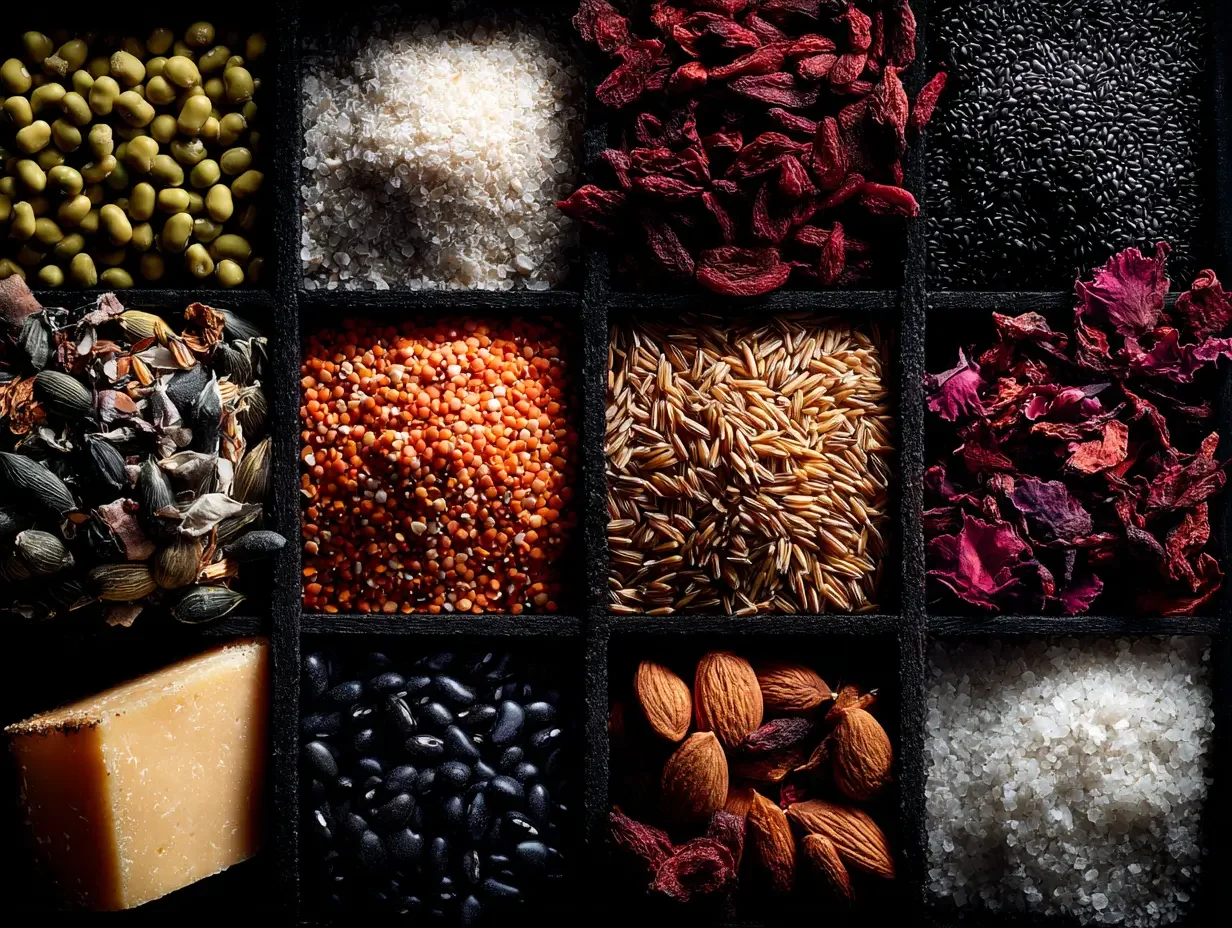
A naturally occurring polyamine found in foods such as wheat germ, soybeans, legumes, and aged cheese, and produced in small amounts by the body.
Studied for its association with cellular recycling processes that help maintain normal cell function over time.
Like a scheduled deep clean that prevents internal buildup.
-
Spermidine is primarily studied for its relationship to autophagy-related pathways, which cells use to break down and recycle damaged or unnecessary internal components.
These recycling processes are fundamental to maintaining cellular structure, protein quality, and organelle function.
Ongoing research examines how spermidine availability relates to the regulation of these pathways across different tissues and stages of life.
Berberine
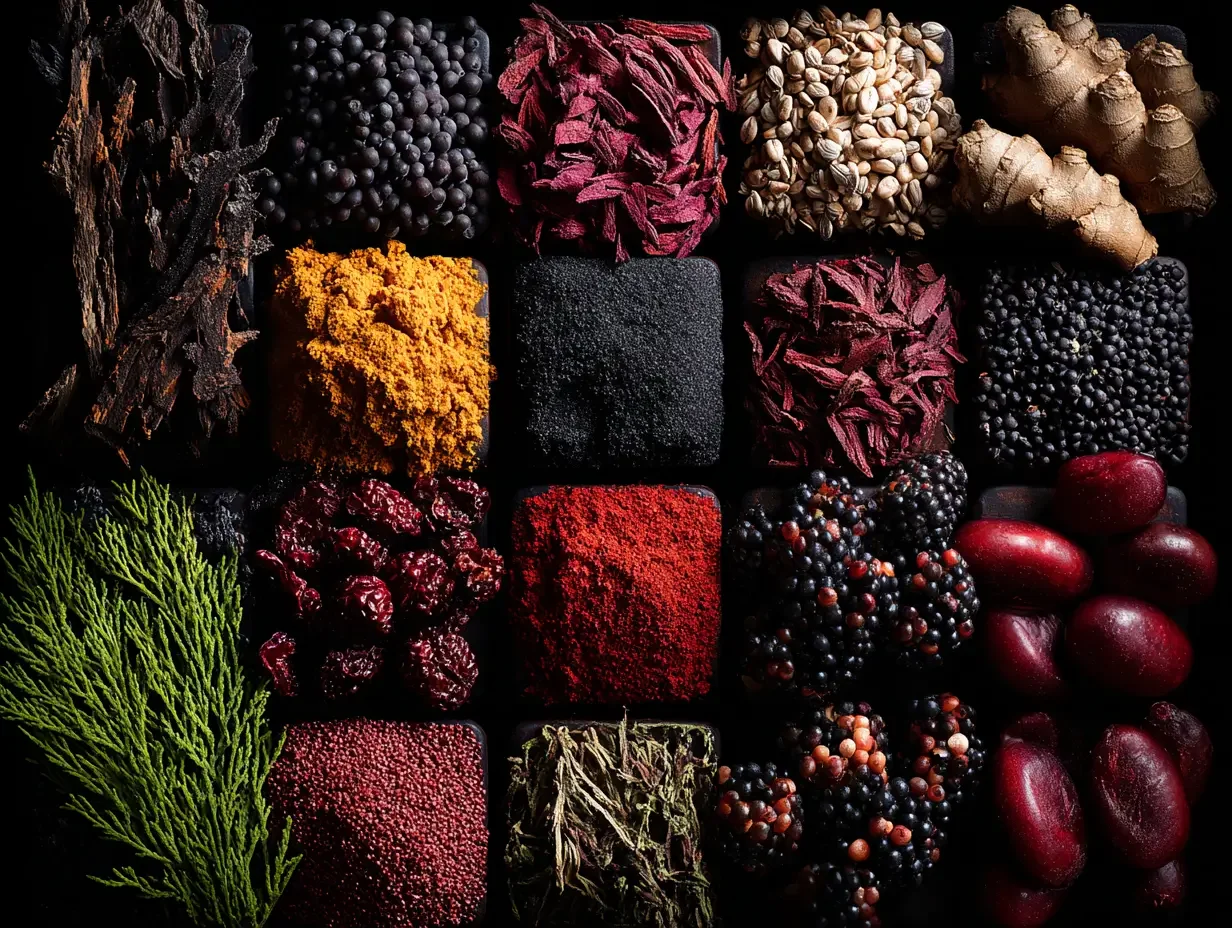
A plant-derived compound obtained from the roots and bark of plants such as barberry, goldenseal, and tree turmeric.
Studied for its interaction with metabolic pathways involved in glucose and lipid handling at the cellular level.
Like a fuel-routing manager that directs how energy is processed once it enters the system.
-
Berberine is an alkaloid that has been studied across a wide range of metabolic research contexts for several decades.
Scientific investigation focuses on how it interacts with enzymes and signaling pathways involved in glucose metabolism, lipid processing, and cellular energy sensing.
Because these pathways are central to metabolic regulation, berberine remains an active area of study in cellular and metabolic biology.
Fisetin
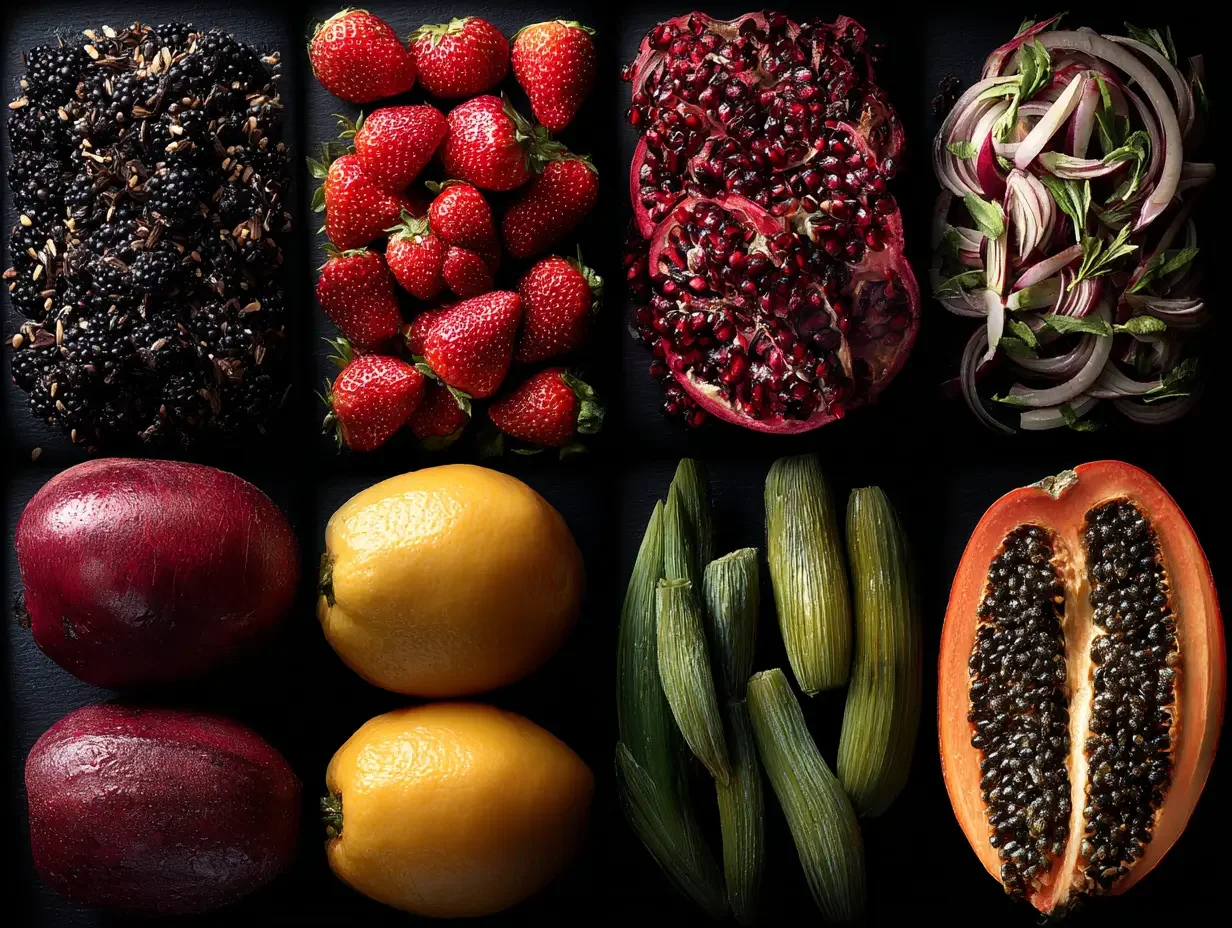
A naturally occurring flavonoid found in fruits and vegetables such as strawberries, apples, persimmons, grapes, cucumbers, and onions.
Studied for its effects on cellular stress-response and aging-related signaling pathways.
Like identifying and managing outdated or stressed components so they don’t disrupt operations.
-
Fisetin is studied for its antioxidant activity and its involvement in cellular signaling pathways related to stress response and inflammation.
Research also explores how fisetin relates to senescence-associated signaling, which involves how aging or stressed cells communicate within tissues.
Ongoing studies continue to examine fisetin’s role in aging biology and long-term cellular signaling dynamics.